April 30, 2026
Power interruptions can disrupt daily routines, compromise safety systems, and create unnecessary stress for homeowners and business owners alike. For that reason, planning for backup power has become a practical part of modern property management rather than a luxury consideration. A properly designed standby system ensures critical circuits remain active when the grid goes down, helping maintain comfort and continuity during unexpected outages.
A well-planned generator installation requires more than selecting a unit and placing it outdoors. It involves evaluating electrical demand, fuel logistics, site conditions, and long-term operational expectations. These decisions directly influence performance, safety, and reliability when the system is needed most.
In many cases, homeowners begin exploring backup power after experiencing repeated outages or increased dependence on electrically powered systems. Heating, refrigeration, sump pumps, and security equipment all depend on consistent electricity, making standby solutions increasingly relevant in residential settings.
Assessing Power Requirements and Household Demand
Evaluating Essential Circuit Loads
The first step in planning a generator installation is understanding which circuits must remain powered during an outage. Not every appliance or system requires backup support, and prioritizing essential loads helps ensure the system is both efficient and cost-effective.
Typical essential circuits include refrigeration units, heating systems, sump pumps, lighting in key areas, and select outlets for communication or medical equipment. Each of these loads draws a specific amount of electricity, measured in watts, and the total determines the baseline capacity required. Overestimating or underestimating this load can lead to either unnecessary expense or insufficient performance when the system is activated.
A professional electrical assessment typically involves reviewing panel schedules and identifying peak usage patterns. This ensures that the planned system aligns with real-world consumption rather than theoretical estimates.
Understanding Surge Capacity and Startup Demand
Many appliances require significantly more power at startup than during continuous operation. This surge demand is especially relevant for motors found in HVAC systems, well pumps, and refrigeration compressors. Ignoring this factor can result in overload conditions even if the steady-state load appears manageable.
A properly installed generator accounts for both running wattage and startup surges. This dual consideration ensures that when multiple systems activate simultaneously during an outage, the generator can handle the combined electrical demand without interruption or strain.
Electrical professionals often simulate worst-case scenarios to evaluate simultaneous startup loads. This approach reduces the risk of unexpected shutdowns and ensures stable operation during the critical first moments of a power outage.
Matching Generator Output to Property Size
Selecting the appropriate generator size is closely tied to property scale and usage intensity. Larger homes with multiple HVAC zones, finished basements, or high-powered appliances require substantially more capacity than smaller residences with minimal electrical demand.
During the planning stage of a generator installation, load calculations are used to match generator output with household requirements. This ensures that the system operates efficiently without being undersized or excessively oversized. Proper sizing also contributes to fuel efficiency and extends the lifespan of the equipment by preventing unnecessary strain.
Electrical professionals also consider future expansion when sizing a system. If additional appliances, renovations, or property expansions are likely, capacity planning may include a buffer to accommodate future demand without requiring major upgrades later.
Determining Fuel Type and Long-Term Operational Considerations
Fuel Availability and Storage Planning
Fuel type is a central factor to consider for installing a generator, as it determines how the system will operate during extended outages. Common fuel options include natural gas, propane, and diesel, each with distinct advantages depending on property infrastructure and accessibility.
Natural gas is often preferred where utility connections are stable, as it provides a continuous fuel supply without the need for onsite storage. Propane, on the other hand, requires a dedicated tank but offers reliable operation in areas where natural gas service is unavailable. Diesel systems are typically used in commercial or high-demand scenarios where fuel efficiency and power density are priorities.
Fuel availability directly impacts runtime capability. A well-planned system ensures that fuel sources are accessible even during widespread outages, when resupply may be delayed or restricted.
Efficiency and Runtime Expectations
Operational efficiency plays a major role in long-term system performance. Fuel consumption rates determine how long a generator can run before requiring refueling or replenishment. This is especially important during extended outages caused by severe weather or infrastructure failure.
A properly designed generator installation balances fuel efficiency with power output. In some cases, a slightly larger unit may operate more efficiently under partial load conditions than a smaller unit running at maximum capacity. This balance helps reduce fuel consumption while maintaining stable electrical output.
According to Zipdo, residential generators are primarily designed as standby systems, with approximately 55% of installations intended specifically to provide backup power during outages. This highlights how most residential systems are not used continuously but are instead configured for intermittent operation when grid power fails.
Environmental and Safety Considerations
Fuel selection also has implications for safety and environmental impact. Each fuel type produces different emissions and requires specific handling procedures. Proper ventilation, exhaust routing, and combustion safety measures are essential components of any system design.
A professional generator installation ensures compliance with safety standards that govern exhaust dispersion and carbon monoxide risk mitigation. Placement and configuration must prevent harmful gases from accumulating near living spaces or air intake points.
Additionally, fuel storage systems such as propane tanks must be installed according to regulatory guidelines to minimize leakage risk and ensure structural integrity over time. These considerations are essential for maintaining both safety and operational reliability.
Considering Electrical Integration, Placement, and Compliance Requirements
Transfer Switch Integration and Electrical Panel Compatibility
One of the most critical elements of installing a generator is the integration with the home's electrical panel through a transfer switch. This device controls the flow of electricity between the utility grid and the backup generator, ensuring that both sources are never active simultaneously.
Proper installation of a transfer switch requires detailed knowledge of panel configuration, load distribution, and circuit prioritization. Without this component, attempting to power a home generator directly can create serious electrical hazards, including backfeeding into utility lines.
Professional installation ensures seamless switching during outages, allowing essential systems to remain powered without manual intervention. This is especially important in situations where outages occur unexpectedly or during severe weather conditions.
Site Placement, Ventilation, and Noise Management
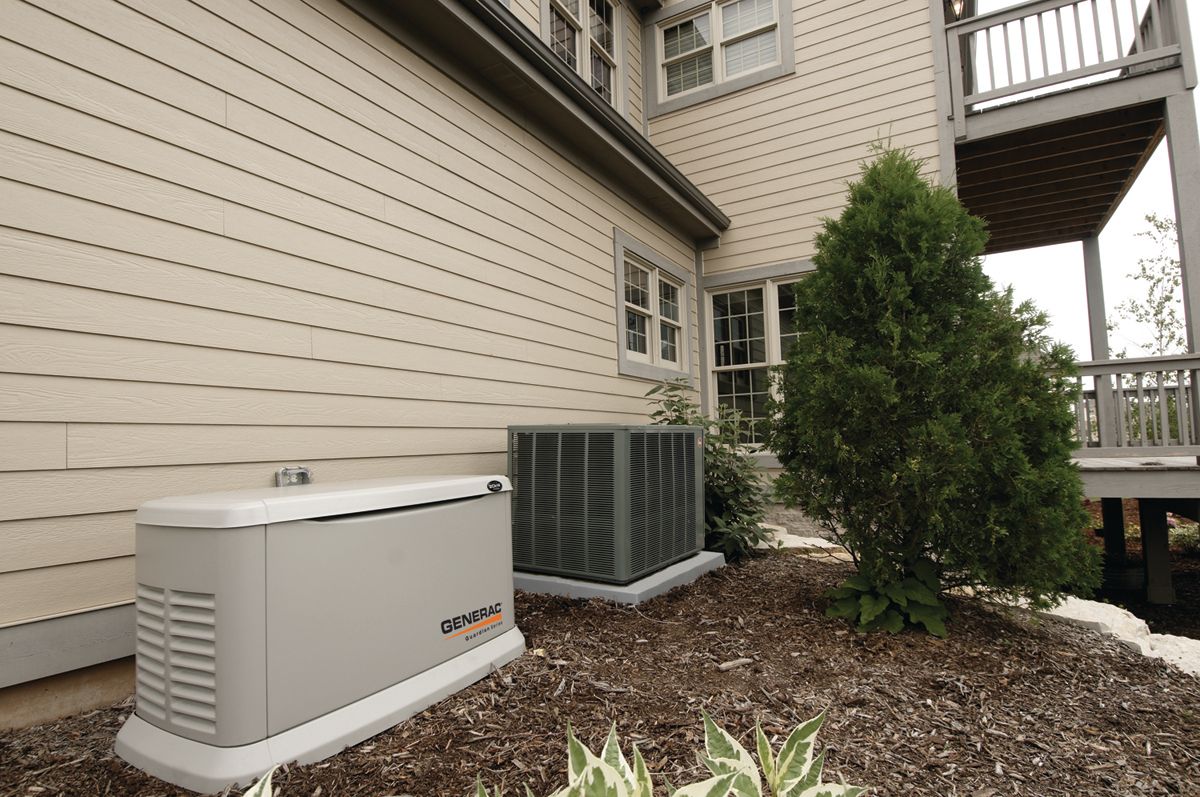
Physical placement of the generator unit plays a major role in both performance and safety. A well-planned generator installation ensures the unit is positioned in a location that allows for proper airflow, exhaust dispersion, and maintenance access.
Ventilation is essential for preventing overheating and ensuring efficient combustion. Units placed too close to walls, windows, or enclosed structures may experience reduced performance or safety risks due to restricted airflow. Proper spacing also reduces noise transmission into living areas, improving overall comfort.
Site selection also considers environmental exposure. Protecting the unit from excessive moisture, flooding, or debris accumulation helps extend its operational lifespan and reduce maintenance requirements over time.
Permits, Inspections, and Electrical Code Compliance
Compliance with local electrical codes and permitting requirements is a non-negotiable aspect of any generator installation. These regulations ensure that systems are installed safely and meet established performance standards.
Permitting typically involves reviewing system design, electrical load calculations, and installation plans before work begins. After installation, inspections verify that wiring, grounding, and transfer switch integration meet regulatory standards.
Working with licensed professionals ensures that all compliance requirements are met from the outset. This reduces the risk of future complications and ensures that the system remains legally and safely operable under all conditions.
A reliable backup power system depends on careful planning, precise engineering, and adherence to safety standards. Evaluating electrical demand, selecting the appropriate fuel source, and ensuring proper integration with existing infrastructure are all essential steps in preparing for a successful generator installation.
When these factors are addressed correctly, homeowners gain a dependable safeguard against outages, protecting both comfort and critical systems during unpredictable power disruptions. Over time, this preparation contributes to greater resilience, reduced risk, and improved peace of mind whenever the electrical grid becomes unstable. If you're looking for a reliable electrical company to install your generator, contact EMCO Electric!