August 31, 2026
Power outages often strike without warning, turning daily routines upside down and leaving families in the dark. Keeping your household safe, warm, and comfortable during a severe storm requires thoughtful planning and reliable equipment. Investing in a local generator installation ensures that your overhead lights, refrigeration, and heating systems remain fully operational when the main power grid fails. Taking proactive steps today prevents unnecessary stress and protects your family during sudden electrical disruptions in your neighborhood.
Evaluating Your Household Power Needs
Before selecting any backup power equipment for your property, take time to list the essential items in your home that require electricity. Refrigerators, freezers, medical devices, and climate control systems should always top your priority list during a blackout. Adding basic overhead lighting and outlet power for charging personal devices keeps your home functional throughout extended power losses. Understanding which appliances must run simultaneously helps you choose an appropriately sized unit without overspending on unnecessary capacity.
Choosing Between Portable and Standby Options
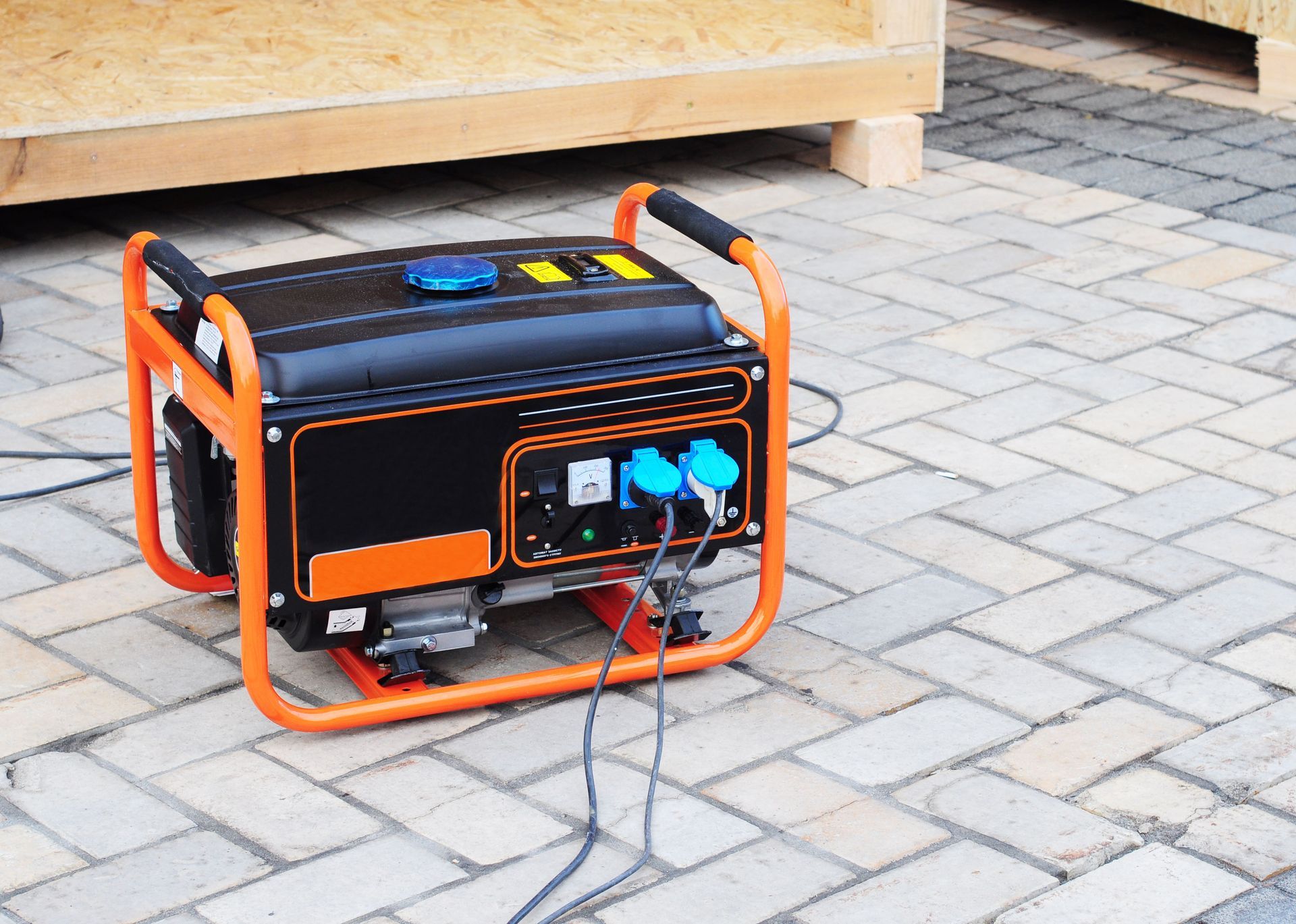
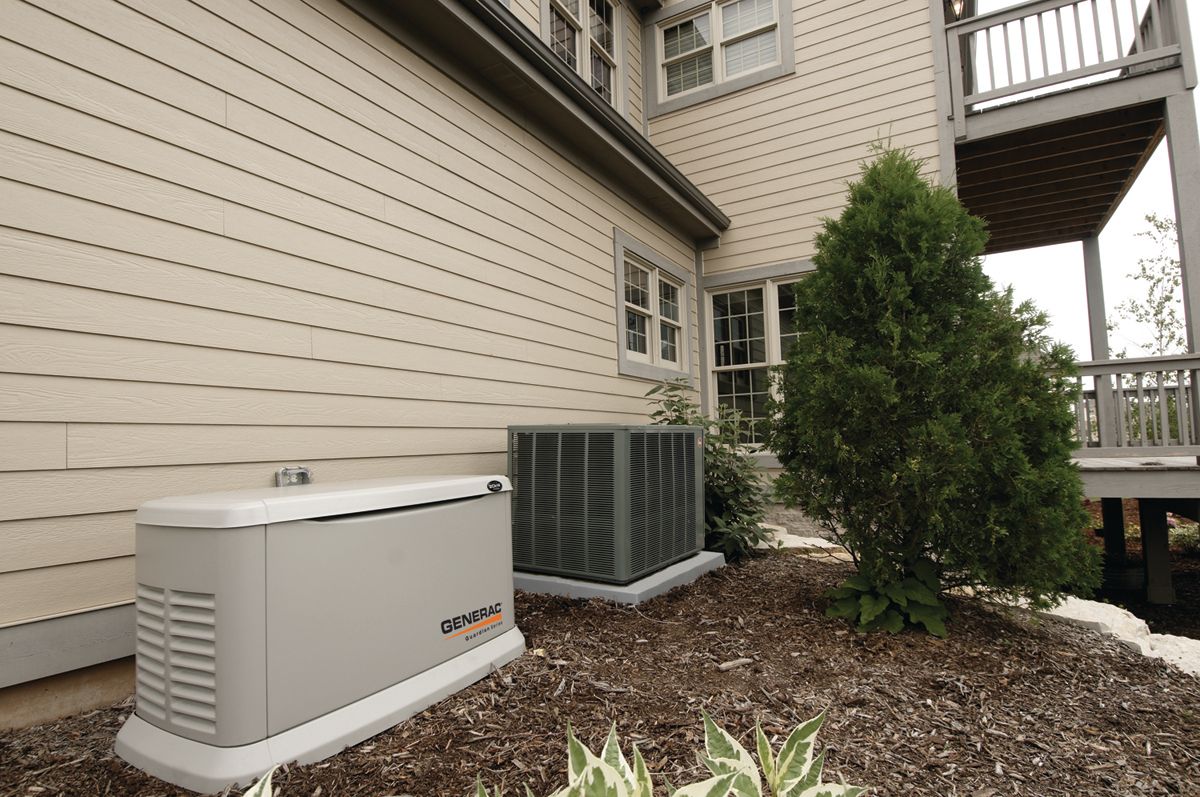
Property owners generally choose between portable generators and permanently installed standby systems. Portable units offer flexibility for minor power needs, but they require manual setup, outdoor pull-starts, and frequent refueling during bad weather. Standby systems connect directly to your home's main electrical panel and start automatically whenever grid power drops out. Scheduling a local generator installation for a standby unit provides seamless protection without requiring you to handle heavy equipment or fuel cans in the middle of a storm.
Assessing Local Fuel Availability
Backup power systems operate on various fuel sources, including natural gas, liquid propane, and diesel fuel. Choosing a system that uses readily available local fuel ensures that your equipment operates without interruption during extended community emergencies. Natural gas lines offer a continuous fuel supply without needing manual tank refills or delivery trucks. If natural gas is unavailable in your neighborhood, stationary propane storage tanks offer a reliable alternative that stores safely for long periods.
Selecting the Ideal Backup Unit
Selecting equipment with the correct power output prevents operational overloads and protects your household appliances. Calculating both the running wattage and the starting wattage of your essential appliances determines the required system size. Overloading a backup power setup causes system shutdowns and risks damaging sensitive electronic equipment throughout your home. Working with experienced electricians ensures that your setup features adequate capacity to handle unexpected appliance startup surges with complete ease.
Managing Operational Noise and Placement
Every backup power system generates sound while running, so considering noise levels during equipment placement is essential for family comfort. Position your equipment away from bedroom windows and quiet outdoor living spaces to minimize indoor sound disruption. Choosing an insulated protective enclosure dampens motor noise while defending the internal components against outdoor elements. Proper equipment placement keeps your home quiet and maintains positive relationships with surrounding neighbors throughout extended power outages.
Protecting Equipment Against Harsh Weather
Severe weather places heavy physical demands on outdoor mechanical equipment during critical operation times. According to Generac Power Systems, harsh weather conditions cause over three-fifths of power outages in the U.S, driving steady demand for emergency power systems. Durable, weather-resistant outer casings shield internal electrical components from driving rain, freezing snow, and high winds. Securing your equipment on a level concrete pad keeps it elevated safely above standing water and mud.
Preparing the Site and Securing Permits
Choosing a safe outdoor location is a critical step in the equipment setup process. The placement area must offer solid ground, adequate clearance, and proper ventilation to exhaust fumes safely away from indoor living spaces. Keeping clear space around the unit allows service technicians to perform routine maintenance tasks and inspections without restriction. Arranging a professional local generator installation ensures that your equipment sits at a safe, compliant distance from doors and open windows.
Following Municipal Codes and Regulations
Local building codes dictate specific clearance distances, electrical wiring requirements, and safety protocols for backup systems. Municipal regulations protect property owners by ensuring that all electrical work complies with established safety standards. Ignoring local guidelines leads to serious safety hazards, potential municipal fines, or project delays. Working with licensed electrical contractors ensures that your equipment setup adheres strictly to all regional building and electrical safety codes.
Obtaining Necessary Local Permits
Securing municipal permits is mandatory before beginning any major electrical or fuel line work on your property. Permit applications require detailed site plans, equipment specification sheets, and electrical load calculations. Municipal inspectors review these documents carefully to verify that the proposed installation meets local safety standards. Completing the permit process protects your property value, ensures smooth utility approvals, and gives you confidence in your setup.
Implementing Essential Safety Measures
Safety must remain the top priority throughout every phase of system placement and hookup. Equipping your setup with an automatic transfer switch prevents dangerous backfeeding into the utility grid, protecting utility line workers during outages. Installing proper grounding rods and heavy-duty wiring safeguards your home against unexpected electrical surges and short circuits.
Proper safety precautions ensure that your backup system provides dependable power without creating hazards for your family or neighborhood.
Completing the Professional Installation
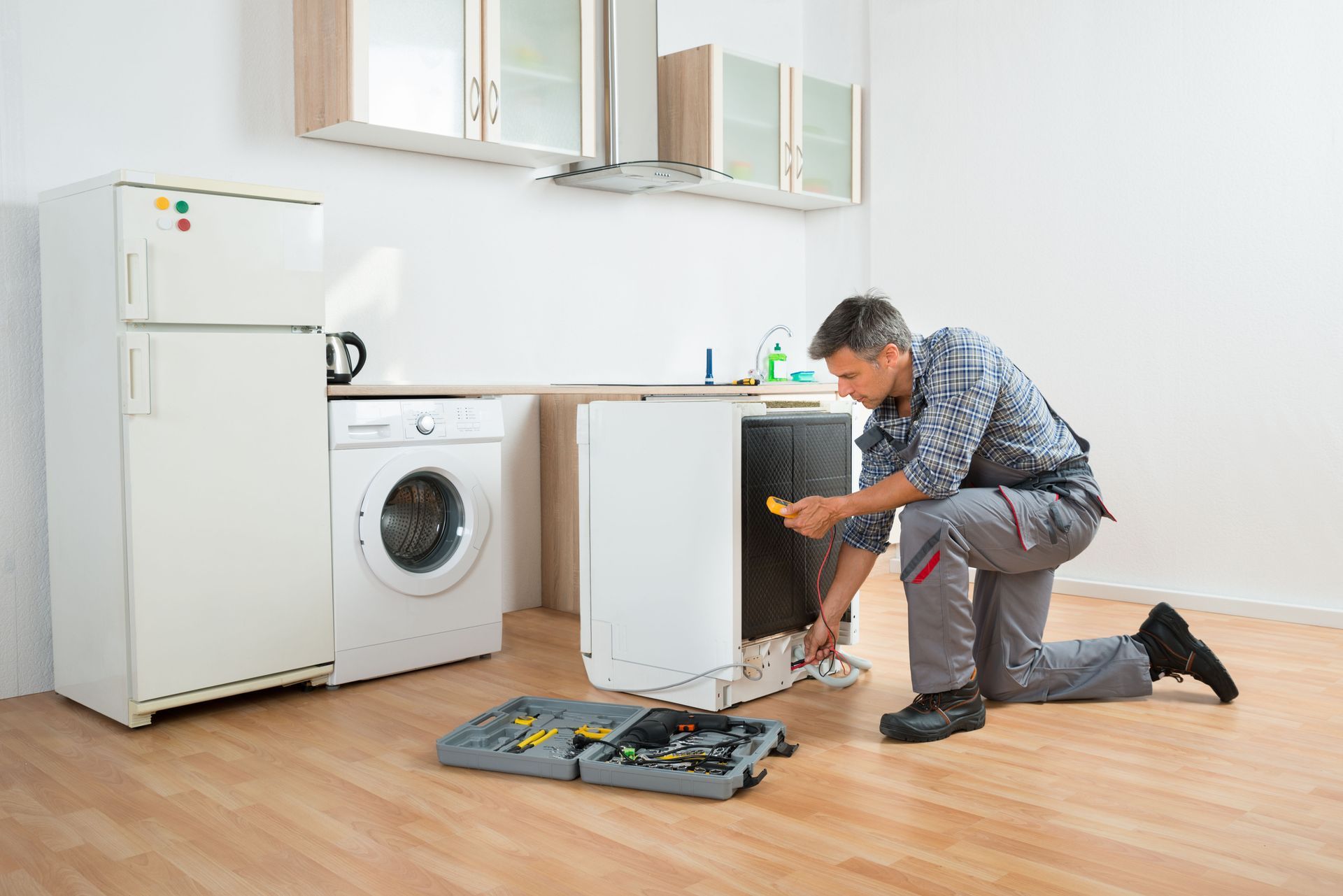
Handling high-voltage electrical connections and fuel lines requires specialized skills and professional tools. Attempting improper installation methods creates serious fire hazards and risks damaging your home's main electrical panel. Scheduling a local generator installation with licensed electricians ensures that every wire, breaker, and switch meets rigorous industry safety standards.
Professional installers handle complex panel connections efficiently, saving you time and giving you total peace of mind during storm seasons.
Managing Proper Wiring and Connections
Linking your backup power system to your primary electrical panel involves installing a dedicated transfer switch. This vital component isolates your home's internal circuits from the utility grid, ensuring safe power distribution during blackouts. Licensed electricians route heavy-gauge copper wiring through protective conduits to prevent physical damage and weather exposure over time. High-quality connections maintain stable voltage levels and protect sensitive household appliances from damaging power fluctuations.
Testing the Unit Under Load
Once physical connections are complete, technicians conduct thorough operational testing to verify overall system performance. Simulating a real grid failure tests how quickly the automatic transfer switch responds and restores electrical flow to your circuits. Testing the equipment under full load confirms that your system delivers steady voltage without overheating or tripping circuit breakers. Rigorous testing ensures that your equipment operates flawlessly when a real storm knocks out grid power.
Maintaining System Performance and Preparedness
Regular maintenance keeps your backup equipment clean, efficient, and ready for sudden emergencies. Checking oil levels, inspecting air filters, and examining battery terminals should happen periodically throughout the year.
Clearing away fallen leaves, snow, and yard debris keeps ventilation openings open and prevents engine overheating during operation. Arranging annual professional tune-ups extends the physical lifespan of your system and prevents unexpected mechanical breakdowns when you need power most.
Educating Your Family on Outage Plans
Having reliable backup equipment is only one part of an effective household emergency preparedness strategy. Teach family members how the backup system functions and what to expect when power transitions occur automatically during a storm. Reviewing basic household safety rules keeps everyone calm and confident when severe weather rolls through your neighborhood. Storing emergency flashlights, extra water, and essential supplies in an accessible location strengthens your family's overall readiness.
Protecting your home from unexpected power blackouts requires dependable equipment, careful planning, and expert electrical work. Taking proactive steps today ensures that your family stays warm, safe, and comfortable through any weather event. From evaluating your household wattage needs to completing a local generator installation, working with skilled local specialists makes all the difference. When planning your emergency power strategy, completing a local generator installation with experienced electricians provides long-term reliability for your property.
When you feel ready to safeguard your home against unexpected power disruptions, working with a reliable local team ensures outstanding results. The experienced team at EMCO Electric provides comprehensive electrical services, professional transfer switch wiring, and complete system setups tailored to your household needs. To discuss your project or schedule a consultation, contact EMCO Electric today.